
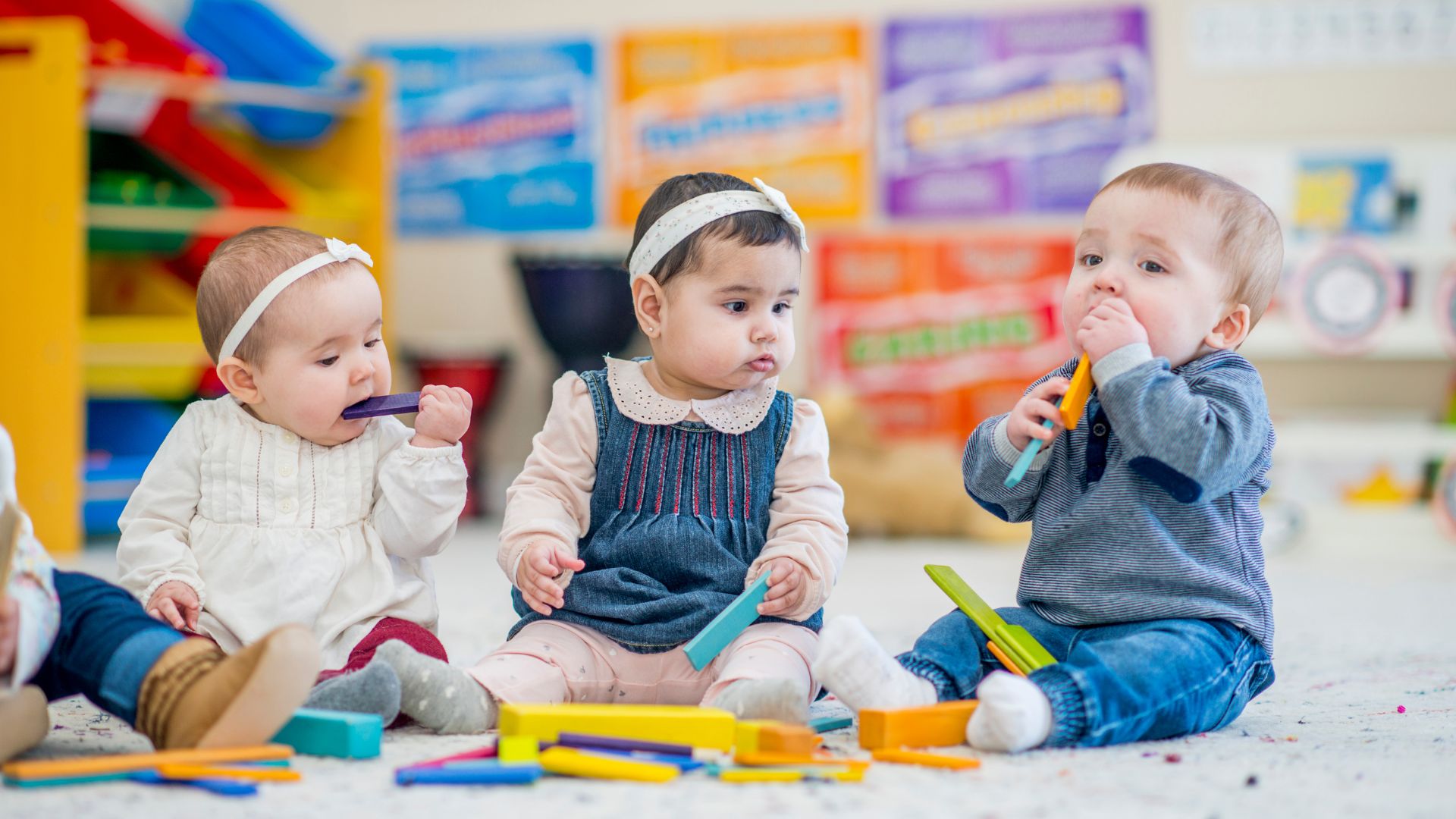
Early childhood education plays a fundamental role in a child’s overall development. For many Canadian parents, daycare is the first step in their child’s educational journey. While daycare may be viewed primarily as a childcare service, it offers far more than just supervision. It serves as a critical foundation for a child’s cognitive, social, and emotional growth. In this blog post, we will explore the profound impact daycare can have on child development and why it’s a crucial investment in your child’s future.
The early years of a child’s life are a period of rapid brain development. Daycare environments are designed to stimulate cognitive growth through age-appropriate activities, educational games, and interactive learning experiences. Here’s how daycare promotes cognitive development:
Structured Learning: Daycare centers often follow structured routines and schedules, which help children develop essential time management and organizational skills.
Early Literacy: Many daycares introduce children to books and reading, fostering a love for literature and building pre-reading skills.
Problem-Solving: Engaging activities and puzzles challenge young minds, encouraging critical thinking and problem-solving abilities.
Social Interaction: Interacting with peers and caregivers helps children learn to communicate, share, and negotiate, enhancing their language development.
Daycare is a unique environment where children learn valuable social skills that prepare them for future interactions. Here’s how daycare positively impacts social development:
Socialization: Children at daycare have the opportunity to interact with kids from diverse backgrounds, promoting tolerance and acceptance.
Teamwork: Through group activities and play, children learn the importance of cooperation and collaboration.
Emotional Regulation: Daycare helps children identify and manage their emotions, fostering emotional intelligence and resilience.
Independence: Daily routines and responsibilities at daycare encourage children to become more self-reliant and confident.
Emotional development is a significant aspect of child growth, and daycare can greatly influence it:
Attachment: Daycare providers often form nurturing relationships with children, which can help them develop secure attachments and a sense of trust.
Stress Management: Coping with separation from parents in a safe and supportive environment teaches children healthy stress management strategies.
Self-Identity: Daycare allows children to explore their interests, strengths, and preferences, contributing to a positive self-identity.
Research consistently shows that quality early childhood education, including daycare, leads to better outcomes in school and life. Children who attend daycare tend to have higher levels of school readiness, improved social skills, and increased self-confidence.
Daycare is not merely a place for parents to drop off their children while they work; it is a dynamic educational setting where young minds flourish. The experiences and lessons learned in daycare set the stage for future success in school and beyond.
In Canada, daycare is more than just a convenience for working parents—it is an investment in a child’s future. The early childhood education provided in daycare centers significantly influences cognitive, social, and emotional development. By enrolling your child in a quality daycare program, you are giving them a strong foundation for lifelong learning and success.
If you’re considering daycare options for your child, take the time to research and choose a reputable provider. Your child’s early education is a critical step in shaping their future, and the right daycare can make all the difference.